
Multi-agent orchestration patterns
Beyond chief-of-staff routing: parallel-spawn, gather-then-merge, race-then-cancel. When each fires and when each breaks.
Session slides — The Mechanics of Agentic Scale
Beyond routing
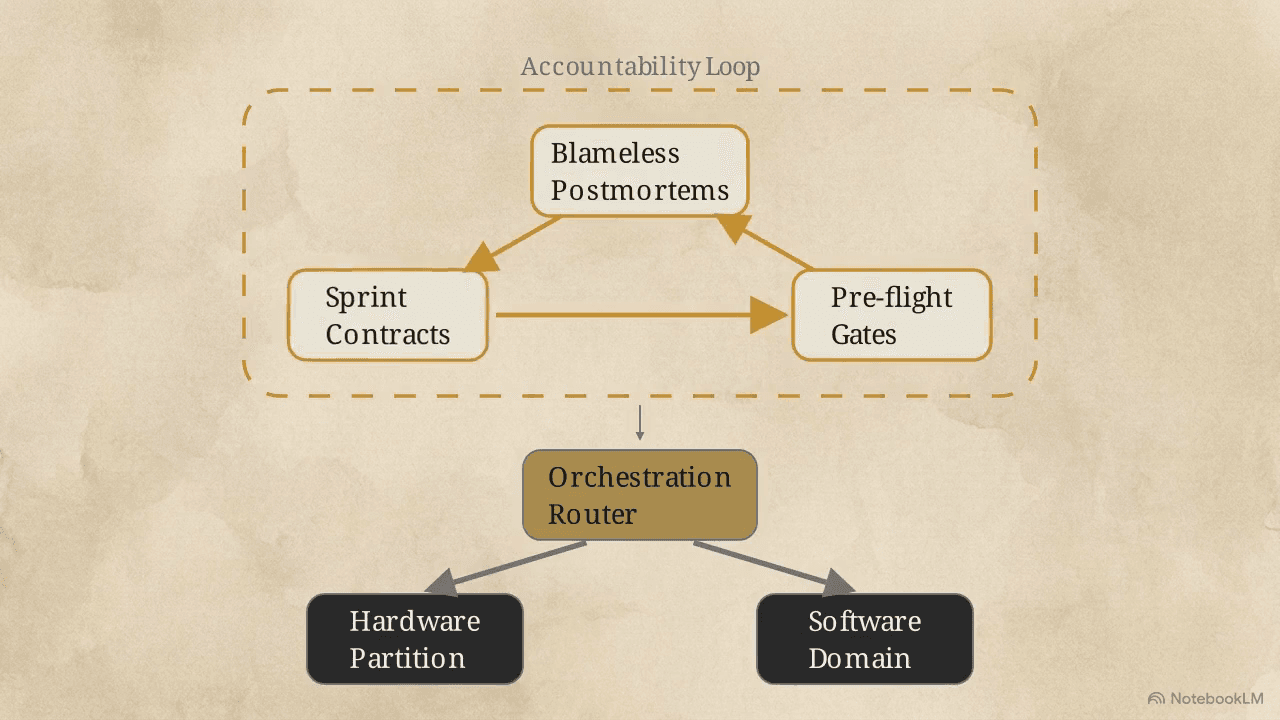
Operating 10 covers the routing model: a chief-of-staff receives a request, classifies it, and delegates to the right specialist. That pattern is the foundation. This lesson covers what comes after it — the structural patterns for operators who need more than one specialist working simultaneously, or who need to explore multiple approaches to the same problem.
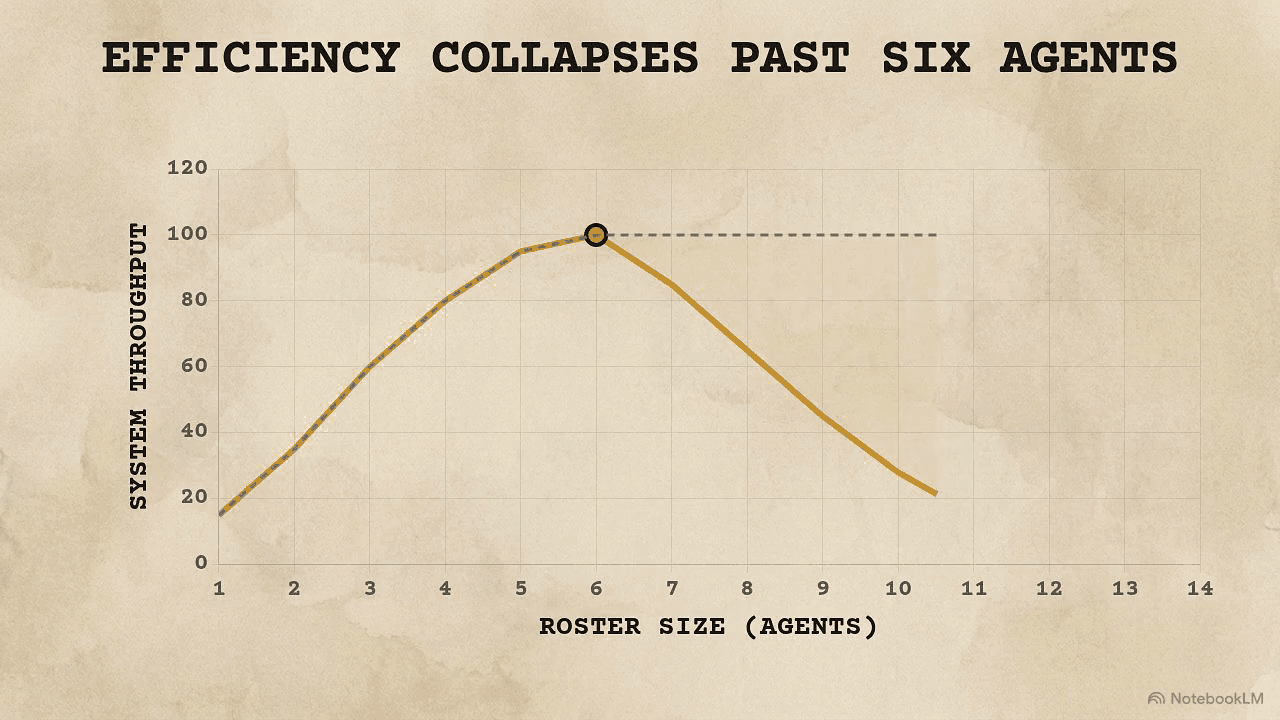
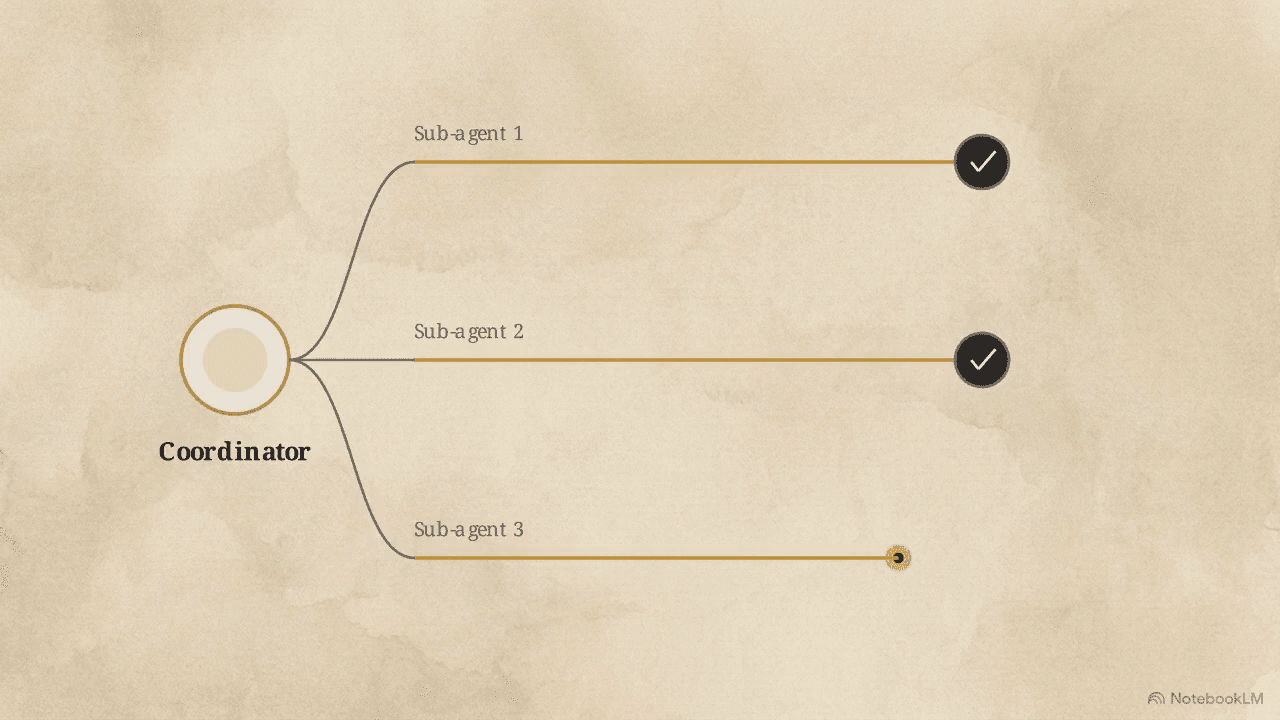
The distinction I keep coming back to. Routing is sequential delegation: one task, one specialist, one output. Orchestration is parallel coordination. N tasks or N approaches, N subagents, a coordinator that collects and synthesizes. The efficiency case is real. So is the failure case. I hit both before I understood the difference.
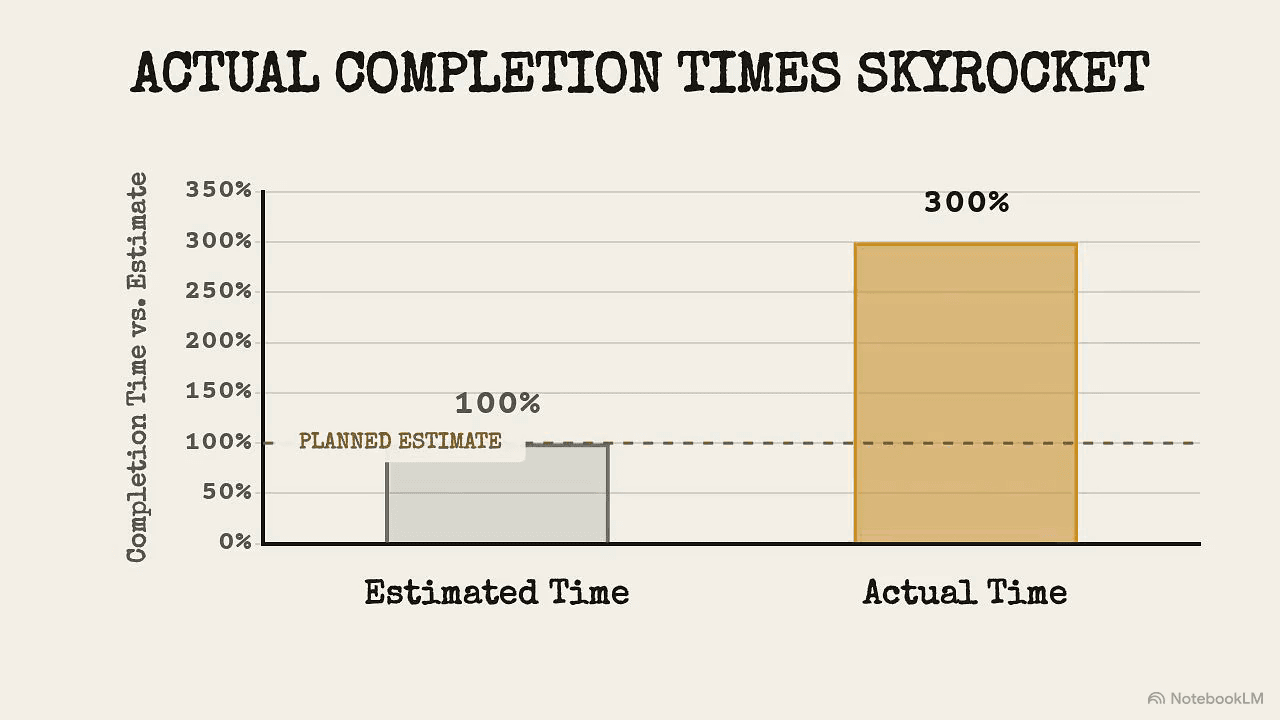
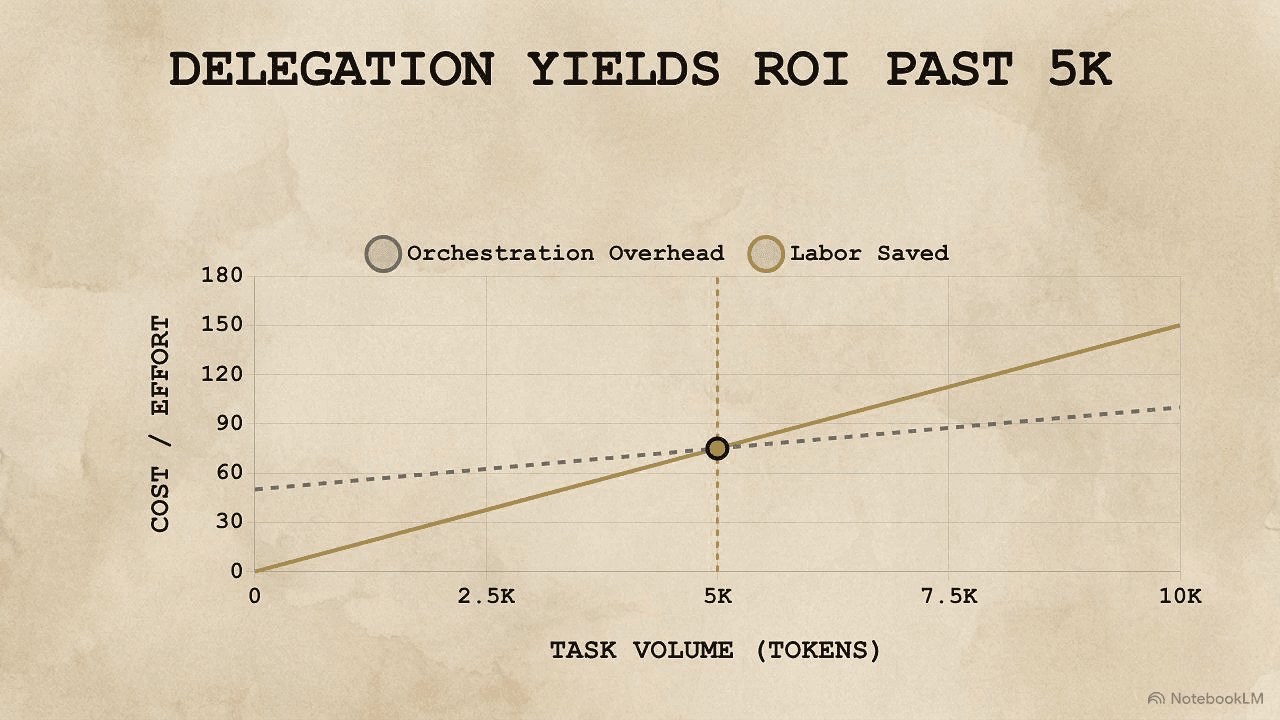
The companion paper TPL-2026-006 quantifies when parallel spawning produces a net positive ROI and when it doesn’t. The short version: parallelism pays when tasks are genuinely independent, outputs are structured and mergeable, and the merge work is less than the time saved. It fails when any of those conditions is absent. This lesson teaches you to check all three before spawning.
| Pattern | Structure | When it pays |
|---|---|---|
| Parallel-spawn | N independent tasks → N subagents → collect all outputs | Tasks are truly independent; each is substantial (≥5k tokens of work); outputs need no merge logic |
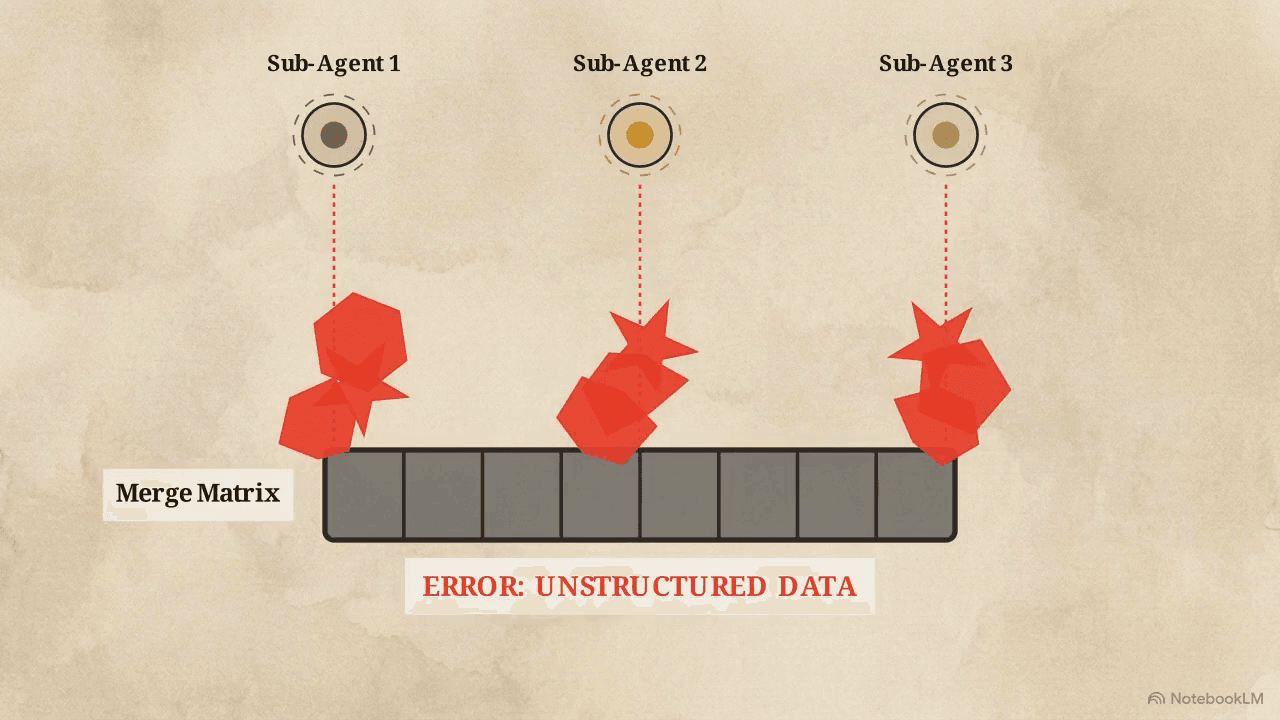
| Gather-then-merge | One coordinator + N research subagents → coordinator merges into unified output | Research with clear sub-questions; well-defined merge schema; outputs are structured, not freeform |
| Race-then-cancel | N subagents try different approaches → first valid result wins; rest are cancelled | Speculative work where any one approach might work; “working” is quickly evaluable; cancellation infrastructure exists |
The three patterns are not interchangeable. Applying gather-then-merge to a problem that needs race-then-cancel wastes time. Applying race-then-cancel without cancellation infrastructure wastes money. Each section below gives you the signal for when the pattern fits and the signal for when it doesn’t.
The rest of Expert · Lesson 10 is for subscribers.
Multi-agent orchestration patterns
- Every Expert-tier lesson — diagnostic prompts, transcripts, prompt kits, full homework
- Every research paper — methodology, figures, tables, reproducibility appendices
- New Expert lessons + papers as they ship (quarterly cadence)
- Foundations + Operating lessons stay free; bundles on GitHub stay free; this tier is the deep stuff
Free while the early catalog ships. Paid tier comes later — subscribe now and you’re grandfathered in.